Stay Ahead of the Curve
Latest AI news, expert analysis, bold opinions, and key trends — delivered to your inbox.
Apple’s AI Siri Has a Hardware Problem
3 min read Apple's upcoming AI-powered Siri may face slower adoption because many iPhone users still own older devices that lack the hardware needed for advanced AI features. Analysts at Morgan Stanley believe this could limit the reach of Apple's AI strategy and make hardware upgrades a key factor in how quickly users embrace the new Siri. The report highlights a growing trend in tech: the future of AI depends as much on powerful chips as it does on smart software. 🚀 June 09, 2026 14:15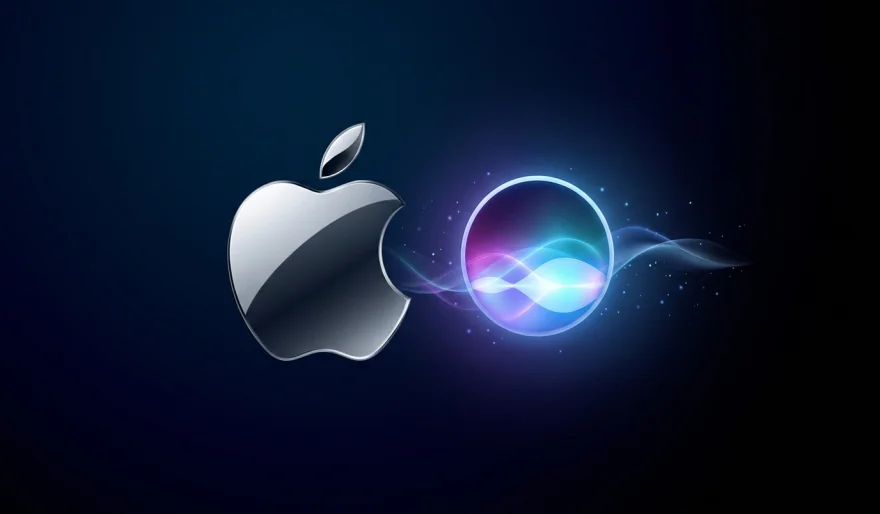
Apple’s big Siri AI upgrade might not reach as many people as expected, and the reason has nothing to do with the software.
According to analysts at Morgan Stanley, a large portion of iPhone users are still using older devices that may struggle to run Apple’s next-generation AI features. While Apple is betting heavily on a more conversational, ChatGPT-like Siri, many of those capabilities depend on newer chips capable of handling AI workloads efficiently.
This creates a challenge for Apple. The company wants AI to become a major reason for people to stay inside the iPhone ecosystem, but if millions of users can't access the best features without upgrading their hardware, adoption could be slower than investors hope.
The situation highlights a growing reality in the AI era: software is no longer the only bottleneck. Increasingly, advanced AI experiences require powerful hardware, turning AI features into a potential upgrade cycle driver for smartphone makers.
For Apple, the stakes are high. Rivals are rapidly embedding AI into their products, and a smarter Siri is expected to be one of the company's most important responses. But if the experience is limited to newer devices, Apple may face a delicate balancing act between pushing AI innovation and serving its massive installed base.
The bigger question is whether consumers will upgrade specifically for AI. The answer could determine how quickly Apple turns Siri from a voice assistant into a true AI companion. 🚀













 AI Agents